Our DC Manuel looks back at his secondment in Olomuc (September 2026)
Manuel, PhD student in the Chromatin Organization and Function group at the Institute of Experimental Botany (IEB) in Olomuc under the supervision of Aleš Pečinka, spent 1 month at the Plant Genetics and Functional Genomics group of the University of Silesia in Katowice under the supervision of Miriam Szurman-Zubrzycka.
How will the mobility impact your project and which objectives will you be able to reach thanks to it?
“During my mobility in Katowice, I was able to study the available tilling mutants and screen multiple candidates for genes related to DNA damage regulation, thus expanding the collection of mutant lines that my Ph.D. project requires. Meanwhile, I was able to get to know and talk with colleagues who are leading the biggest platform for tilling mutants in barley (HorTILLUS), learning how they created this platform and how they continue expanding this project.”
What did this mobility experience give you on a personal level, beyond the scientific aspect?
“It was an exceptional opportunity to connect with a different laboratory of the HeatDDR Consortium and get to know our colleagues in a more distended and friendly environment. Miriam’s group was really welcoming, including me in their professional and social activities as if I was part of their team.
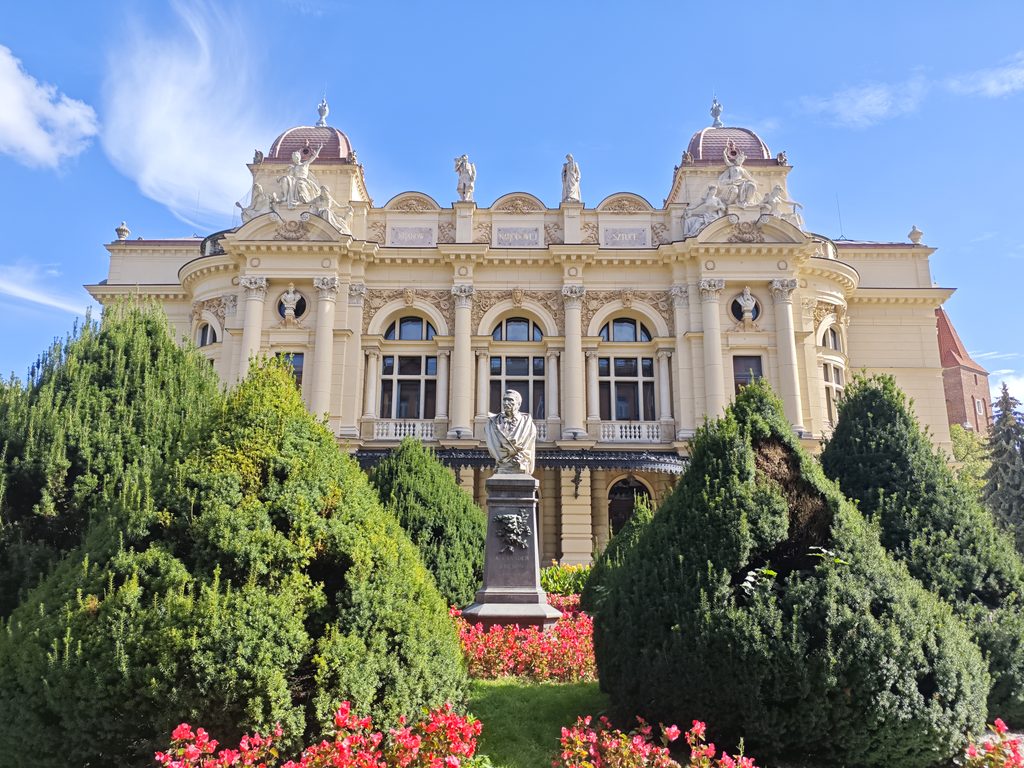
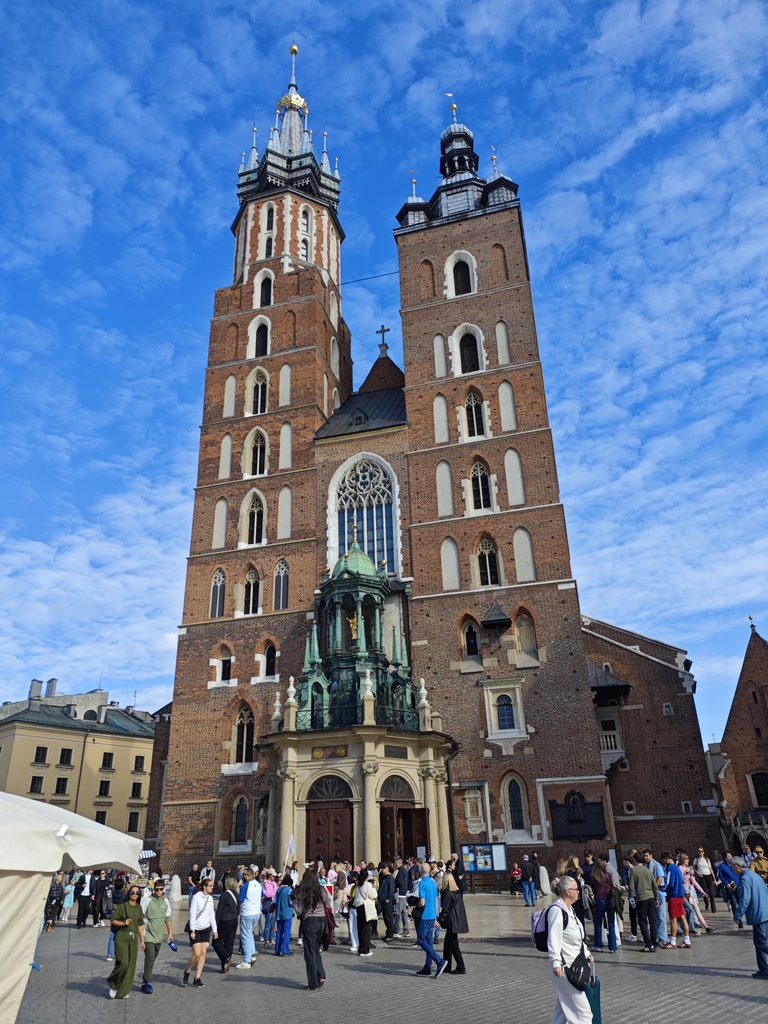
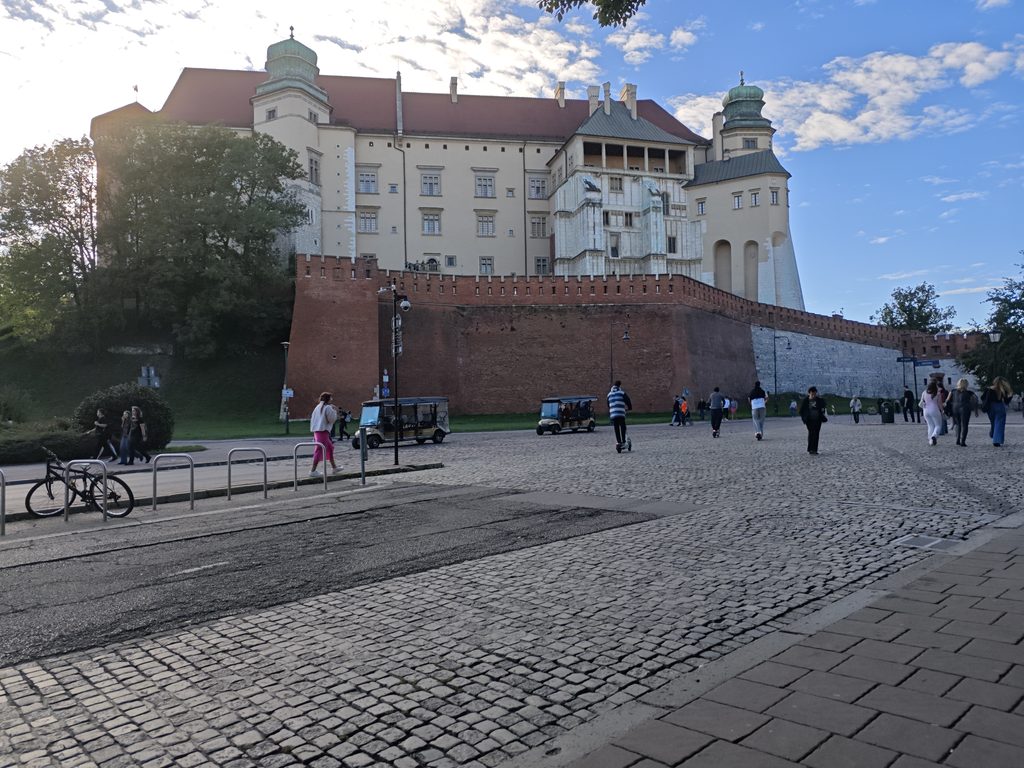
One thing that I love is traveling, and having the opportunity to visit a new country is always exciting as you can see their traditions, culture and cities. During my time in Poland, I was able to visit Krakow, and I can only describe it as stunning. Beautiful architecture, lots of events and things to do, an appreciation for including parks and green zones in almost every corner and interesting history and local legends. Here I was told the legend of the dragon of Wawel hill (where the castle is located) and how it was defeated, not by strength but through ingenuity by the shoemaker Skuba.”
Secondments are periods of research and training spent at a partner institution, exposing researchers to new environments, techniques and resources, allowing them to boost their projects. In HeatDDR, secondments are a key part of training, helping DCs develop adaptability, teamwork, and communication skills in academic and non-academic settings.
See also:
Chromatin Organization and Function group at the Institute of Experimental Botany of the Czech Academy of Sciences
Plant Genetics and Functional Genomics department of the University of Silesia in Katowice