
Our students are the core of the HeatDDR project. Get to know them !
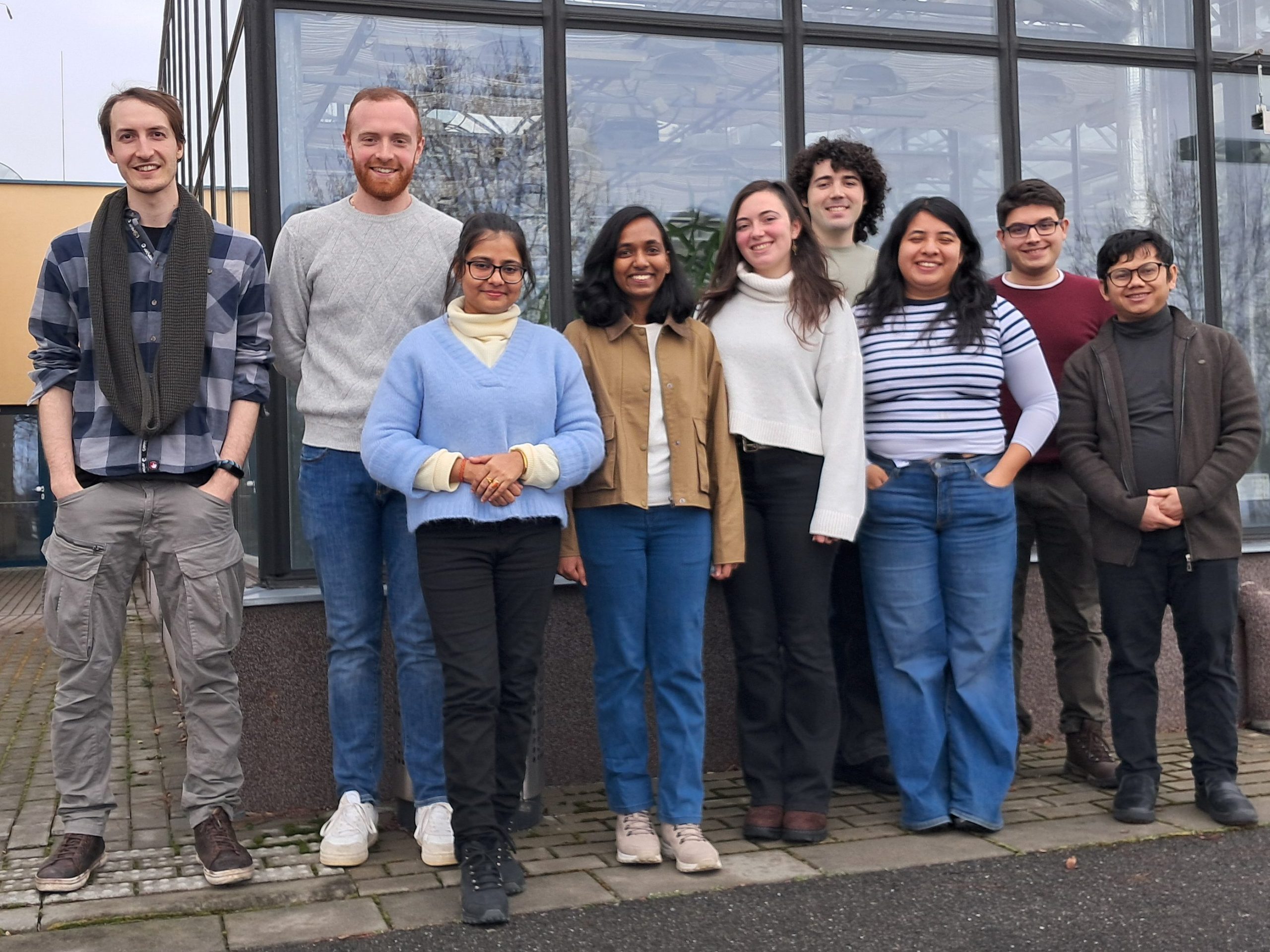
Photo taken during Workshop 2 (26 – 30 January 2026).

Alejandra Lara Vargas
Host laboratory 1: Chromosome Dynamics group | Institute of Plant Sciences of Paris-Saclay (IPS2)
Hola! I’m Alejandra Lara, and I’m from Mexico, specifically from Cuernavaca, Morelos (spring of Mexico).
I started my PhD at Université Paris-Saclay (IPS2 – Institute of Plant Sciences Paris-Saclay) in November 2025, under the supervision of Dr. Cécile Raynaud. My research focuses on how plants (tomato, in this case) respond to heat stress through chromatin and DNA-related regulatory mechanisms, with the goal of better understanding how plants maintain genome stability under stress conditions. To achieve this, I use molecular biology, gene expression analyses, and chromatin-related approaches.
Before, I studied Biochemistry and Molecular Biology and completed a Master’s degree in Biochemical Sciences at UNAM (Mexico), where I worked on plant–microorganism interactions and post-transcriptional regulation in plants. Also I started to work in the Mexican Social Security Institute (IMSS) as a Clynical Chemical Analyst (yes, yet another multifaceted part of my life).
Outside the lab, I enjoy makeup, music, and meeting new people ✨🎶.
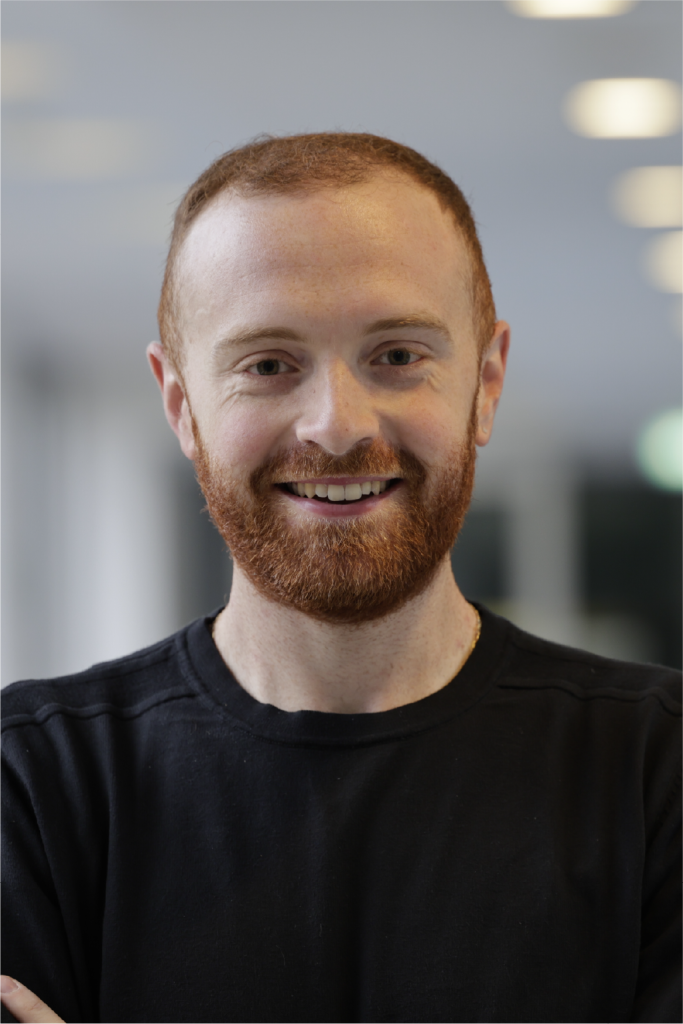
Valerio Filippo Toccaceli
Host laboratory 2: Department of Developmental Biology | University of Hamburg
Ciao a tutti! I’m Valerio Filippo Toccaceli, and I come from Italy.
I started my PhD at the Department of Developmental Biology of the University of Hamburg in October 2025, under the supervision of Prof. Dr. Arp Schnittger. I will be working on the transcriptional regulation operated by the DREAM Complex under Heat Stress (HS) in Arabidopsis, with the goal of uncovering the molecular mechanisms involved in transcriptional responses to HS, and ultimately contributing to agricultural applications. To achieve this, I’ll use both molecular and phenotypic approaches, also collaborating with the other partners of the HeatDDR Network.
Before joining the HeatDDR Doctoral Program, I completed a Bachelor’s Degree in Agricultural and Environmental Sciences and a Master’s Degree in Agricultural and Environmental Biotechnology, both at the University of Perugia (Italy). I had the opportunity to carry out my Master’s Thesis at the School of Biosciences of the University of Birmingham (UK), funded by an Erasmus+ Traineeship scholarship, studying the mobilization of transposable elements in Nicotiana benthamiana. During my academic studies, I also undertook a traineeship at the Italian National Research Council (CNR), mainly focusing on somatic embryogenesis and regeneration in olive (O. europaea). I also hold two national professional qualifications, recognized at the European level: Agrotechnician and Oenotechnician.
Outside lab life, my main passion is sport, especially tennis, which I’ve been playing since I was 8. I’m also very interested in history, and I enjoy reading books about contemporary history and current affairs.
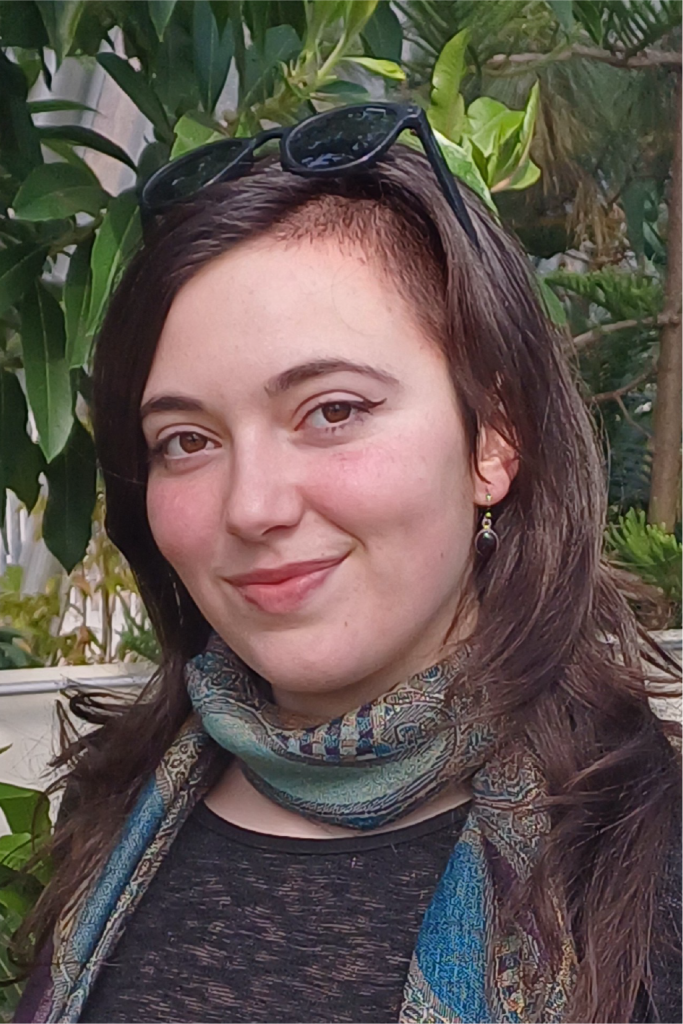
Sara Pérez Martí
Host laboratory 3: Cell Cycle group |
VIB-UGent Center for Plant Systems Biology
Hola! I’m Sara Pérez Martí, originally from the region of Valencia, Spain.
I started my PhD at VIB in Belgium in September 2025, under the supervision of Prof. Lieven de Veylder, where I will study the DNA damage response (DDR) after heat stress in the crop plant maize using a systems biology approach. The goal is to uncover the molecular downstream players of these responses and generate knowledge that could later be used by breeders to generate more resilient crops. To do this, I’ll characterize different maize DDR mutants under heat stress using cellular assays that measure the DNA damage, the cell cycle progression and cell death. Besides, I’ll use omic techniques to capture the global behaviour of the plants at the molecular level.
Before embarking in this project, I have previously worked with phosphate starvation at Ghent University and had two internships working with auxin and cytokinin signaling in Austria, where I studied the dynamic instability of microtubules and protein degradation.
Although my love for science is my main drive, I balance my life making art and exploring nature.
Can’t wait to keep exploring DDR for the following years, and share my findings with the rest of the community!
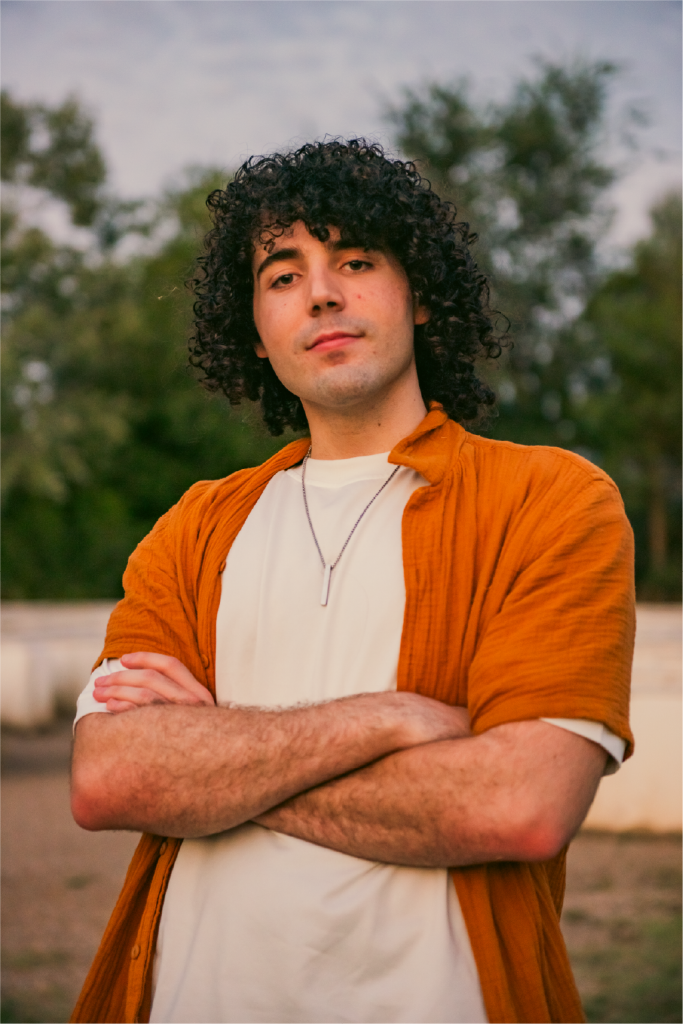
Adrián Calves Ubach
Host Laboratory 4: Plant Genetics and Functional Genomics (PGFG)| Faculty of Natural Sciences in Katowice
Hola ! I’m Adrián Calves Ubach, and I come from Zaragoza, Spain.
I started my PhD in the Plant Genetics and Functional Genomics Group at the Institute of Biology, Biotechnology and Environmental Protection at the University of Silesia, under the supervision of Dr. hab Miriam Szurman-Zubrzycka. I will be working on the functional analysis of barley genes involved in DNA Damage Response activation in response to heat stress, with the goal of finding connections between these two pathways. To do this, I’ll use different techniques such as genetic engineering approaches (CRISPR-Cas9, TILLING, etc…), transcriptomic analysis (RNAseq, scRNAseq, etc…), and phenotyping studies.
Before, I completed a Bachelor’s degree in Biotechnology at the University of Zaragoza and a Bachelor’s degree in Business Management at UNED. I also obtained a Master’s degree in Molecular and Cell Biology at the University of Zaragoza. In addition, I carried out several internships at the University of Zaragoza and the EEAD-CSIC.
Outside the lab, I love to stay active by practicing street dance and going to the gym. I also enjoy learning languages and discovering new cultures.
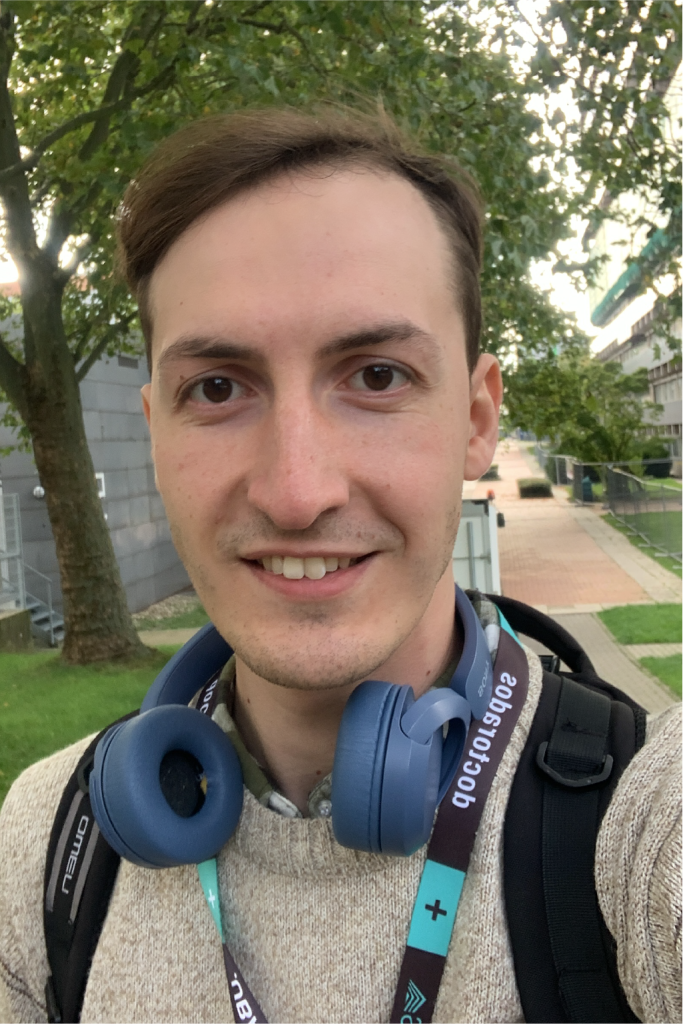
Lucas Gabriel Machain
Host laboratory 5: Institute of Phytopathology | iFZ Research Centre for Biosystems,
Land Use and Nutrition, Justus Liebig University
Hola! I’m Lucas Machain, and I come from Argentina, land of intrigue and passion.
I started my PhD at the Institute of Phytopathology at Justus Liebig University Giessen (JLU, Germany) in October 2025, under the supervision of Patrick Schäfer. My PhD focuses on gene regulatory networks under abiotic stress in plants, with the goal of identifying points of convergence between the DNA Damage Response (DDR) and the Heat Stress Response. To achieve this, I will mainly use single-cell and bulk RNA sequencing approaches, combined with functional analyses. Arabidopsis thaliana will be my primary model system, with the aim of extending the approach to an agriculturally relevant model such as tomato.
Before this, I completed a degree in Biological Sciences at the Faculty of Exact and Natural Sciences (FCEN) at the University of Buenos Aires (UBA, Argentina). For my master’s thesis, I studied the pheromone signaling pathway in the baker’s yeast Saccharomyces cerevisiae at the Systems Biology Laboratory, directed by Alejandro Colman-Lerner, at IFIBYNE (Institute of Physiology, Molecular Biology and Neurosciences). The close interaction between teaching and research in this environment was highly stimulating and strongly shaped my interest in understanding biology from an integrative perspective.
Outside the lab, I would describe myself as an avid museum visitor with a strong appreciation for encyclopedic knowledge. Recently, I’ve been catching up on classic cinema and trying to make time to practice various musical instruments. Nevertheless, my interests and hobbies tend to evolve constantly, after all, changing and trying new things reflect our curious nature.

Manuel Escalona Sendín
Host laboratory 6: Chromatin Organization and Function | Centre of Plant Structural and Functional Genomics – Institute of Experimental Botany (IEB)
Hola! I’m Manuel Escalona, and I come from Madrid, Spain.
I started my PhD at the Institute of Experimental Botany (IEB, Czech Republic) in January 2026, under the supervision of Dr. Ales Pecinka. My PhD focuses on the functional analysis of DNA Damage Response transcription factors (specifically NAC44 and NAC44-Like) under heat stress conditions in barley, with the goal of identifying the effect of these genes in cell division and their connection with plant survival and development. To do this, I’ll use multiple techniques, such as transcriptomic and genomic techniques (RNA-seq, ChIP-seq, etc…), genetic engineer techniques (CRISPR-Cas9, Agrobacterium, Tilling, etc…) and old and newly-developed fluorescent marker lines.
Before this, I completed a Master’s Degree in Genetics and Cell Biology, taught jointly by the Autonomous University of Madrid, Complutense University of Madrid and Alcala de Henares University. I also had the opportunity to work in the Clinic of the University of Navarra during my Master’s thesis where I developed male infertility non-invasive biomarker testing techniques.
Outside the lab, I love travelling and discovering new places, listening to music and doing sports, especially padel and diving.

Sushmita Saha
Host laboratory 7: Regulation of Plant Morphogenesis group | HUN-REN Biological Research Centre
Nomoshkar! I’m Sushmita Saha, and I come from Odisha, India.
I started my research in October 2025 at the Institute of Plant Biology, HUN-REN Biological Research Centre, Szeged, Hungary, under the supervision of Dr. Zoltán Magyar. I will study how the DP-RBR-E2F-MuvB (DREAM) complex regulates the DNA damage response (DDR) and plant development under heat stress. Using Arabidopsis and potato, I will analyse E2F and RBR mutants to understand how elevated temperatures affect genome stability, meristem activity, and tuber development. I will also investigate how the CYCD-E2F-RBR pathway interacts with plant hormones during heat stress using hormonal reporters. Finally, I will identify components of the potato DREAM complex through protein purification and mass spectrometry under normal and elevated temperatures. Together, this work aims to reveal how plants coordinate stress-induced DNA damage responses with development under rising temperatures.
Previously, I completed my Master’s in Biotechnology at the School of Biotechnology, Kalinga Institute of Industrial Technology (KIIT), Bhubaneswar, Odisha, India. During this period, I worked as an Undergraduate Research Trainee in Plant Molecular Biology, where I developed technical proficiency in the generation and analysis of transgenic plants to study plant-pathogen interactions. My work involved gene expression analyses, subcellular localisation studies, and the establishment of infection assays for plant-microbe interaction studies, providing a strong foundation in the molecular mechanisms underlying plant defence and stress responses.
When I’m not in the laboratory, I love travelling, exploring different cultures, observing nature, and experimenting with new recipes.

Ridwan Diaguna
Host laboratory 8: Seed Molecular Physiology | Department of Biology and Biotechnology (DBB) – University of Pavia (UNIPV)
Hai! I’m Ridwan Diaguna “Ridwan” and I come from Bogor – Indonesia.
I started my PhD in Genetics, Molecular and Cellular Biology in the Seed Physiology Molecular Laboratory at University of Pavia – Italy, under the supervision Professor Alma Balestrazzi and Professor Anca Macovei. I will be working on DDR signatures associated with heat stress tolerance triggered by seed priming and the DDR regulatory networks linked to seed priming, with the goal of design optimised and sustainable priming protocols for tomato seeds, minimizing the influence of genotype and seed lot. To do this, I will evaluate the seed response to treatments at the molecular levels with dedicated profiles of gene expression changes, DDR and metabolites.
Before this, I studied Agrotechnology at University of Bangka Belitung, Pangkalpinang and Seed Science and Technology at IPB University (Bogor Agricultural University), Bogor – Indonesia. I did a research intership at Shizuoka University, Plant Molecular Biology Laboratory, Shizuoka – Japan. I worked as Lecturer at IPB University, Bogor – Indonesia. Outside the lab, I love watching movies, reading books, and cooking.

Aparna Sreeprakash
Host laboratory 9: Labdeers s.r.o. | Boskovice
Namaskaram! I am Aparna Sreeprakash, and I come from Kerala, India.
I started my PhD at Labdeers s.r.o in November 2025, under the supervision of Dr. Tereza Dobisova and co-supervision of Dr. Cécile Raynaud, Institute of Plant Sciences of Paris-Saclay (IPS2). I will be working on advanced seed phenotyping and precise seeding for genetics and plant breeding with the goal of having a deeper insight in the understanding of plant responses to heat stress through genetic, epigenetic, and high-tech seed/plant phenotypical approaches. To do this, I’ll use the state-of-the-art phenotyping and sorting to understand the morphological changes of individual seeds as well as AI-assisted sorting, and individual seed to plant tracking analysis to understand the progeny of heat-stressed and non-stressed plant mutants involved in the DNA damage response pathway.
Before this, I studied M.Sc. in Biotechnology at Pondicherry University, India and did research training at Integrative Plant AdaptOmics Lab (iPAL), CSIR- Institute of Himalayan Bioresource Technology, Himachal Pradesh, India.
Outside the lab, I enjoy reading a variety of fiction novels, ranging from science fiction to crime thrillers. I also like practicing yoga and learning new languages.